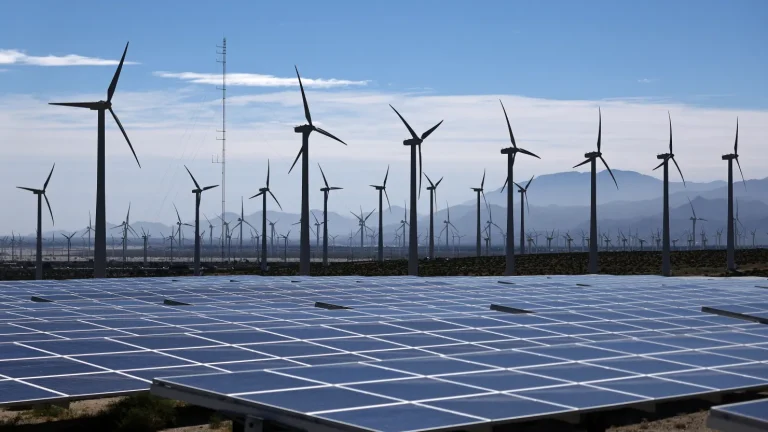
1. Introduction to Solar Projects
Solar projects encompass activities designed and executed to generate electrical energy from solar radiation. These projects are typically carried out using photovoltaic (PV) panels or solar thermal technologies. With the rising energy demand and the imperative to reduce environmental pollutants, the development of solar power plants has become one of the most significant solutions for clean energy generation worldwide.
2. The Importance of Solar Energy Development
Solar energy is recognized as one of the most abundant renewable energy sources globally. Utilizing this resource, in addition to reducing reliance on fossil fuels, leads to the mitigation of greenhouse gas emissions and the conservation of natural resources. Countries with high solar radiation potential can meet a substantial portion of their energy needs from clean sources through the development of solar projects.
3. Types of Solar Projects
Solar projects are implemented across various scales and applications. Megawatt-scale solar power plants connected to the national grid, industrial solar projects for supplying electricity to production units, and small-scale solar systems for residential use are among the most important types of these projects. Each of these models is designed and implemented based on consumer needs and regional technical conditions.
4. Stages of Solar Project Execution
The execution of a solar project involves several key stages. Initially, feasibility studies are conducted, assessing solar radiation conditions, land suitability, and grid infrastructure. Subsequently, the technical design of the system, including the selection of panels, inverters, and mounting structures, is performed. The next phase involves equipment procurement, installation, and commissioning. Finally, the project enters the operation and maintenance phase.
5. Equipment Used in Solar Power Plants
Various equipment is utilized in solar projects, the most critical being solar panels, inverters, mounting structures, cables, electrical panels, and monitoring systems. The quality and standards of this equipment play a significant role in the performance, efficiency, and lifespan of the solar power plant. Selecting appropriate equipment is a key factor in project success.
6. Economic Advantages of Solar Projects
Investing in solar projects offers substantial economic benefits, in addition to environmental advantages. The operational costs of these power plants are considerably lower compared to traditional power plants. Given the long lifespan of the equipment, a reasonable return on investment is achievable. Furthermore, selling the generated electricity to the grid can provide a stable revenue stream for investors.
7. The Role of Solar Projects in Sustainable Development
The expansion of solar power plants plays a crucial role in achieving sustainable development goals. These projects, while creating employment in engineering, installation, operation, and maintenance sectors, also drive the development of new technologies and reduce the environmental impact of energy production. Consequently, many countries have formulated extensive programs for the development of this industry.
8. Raham Group’s Services in Solar Projects
Leveraging its technical knowledge and specialized experience in the renewable energy sector, Raham Group offers comprehensive services in the design, equipment supply, execution, and commissioning of solar projects. With the objective of promoting clean energy and enhancing energy efficiency, the group is prepared to collaborate with investors, industries, and consumers in implementing various types of solar projects across different scales.