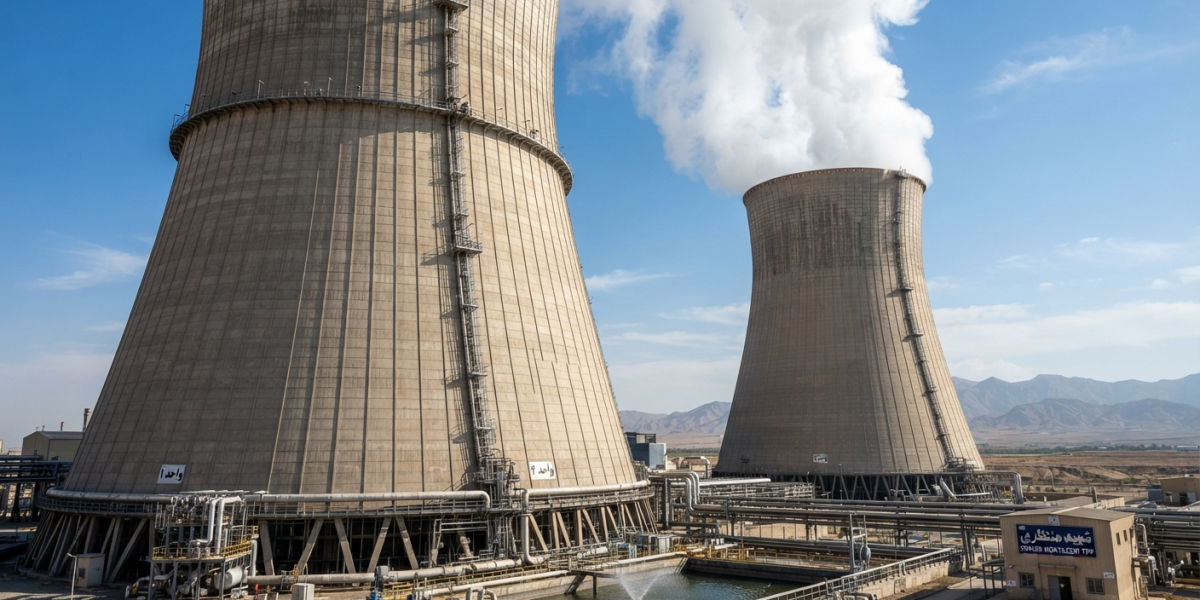
• Project Name: Thermal Power Plant Projects
Raham Groups · Power Generation

Thermal Power Plant Projects

One of the most important infrastructures for generating electrical energy, where thermal energy from fuel combustion or other heat sources is converted into mechanical energy and then into electrical energy.

Steam Power Plant Gas Power Plant Combined Cycle
Fundamentals

Definition of a Thermal Power Plant

A thermal power plant is one of the most important infrastructures for generating electrical energy, in which thermal energy produced from fuel combustion or other heat sources is converted into mechanical energy and then into electrical energy. Fuels such as natural gas, diesel, heavy fuel oil (mazut), or coal are typically used to provide the thermal energy required for electricity generation. Thermal power plants include various types such as steam, gas, and combined-cycle power plants, and due to their high generation capacity, continuous operability, and ability to connect to large-scale power grids, they account for a significant share of global electricity production. With advancements in power plant technologies, the design of these plants has moved toward higher efficiency, reduced fuel consumption, and lower environmental emissions.

Energy Conversion

Core Energy Generation Process

Thermal energy is converted into mechanical energy and then into electrical energy.

Thermal → Mechanical Energy

Energy from fuel combustion or other heat sources drives a turbine. In steam plants, heat produces steam that rotates a steam turbine; in gas plants, hot combustion gases directly drive a gas turbine.

Mechanical → Electrical Energy

Rotational mechanical energy is transmitted to the generator through a shaft or common rotor. Through electromagnetic induction, the generator converts it into electrical energy.

Grid Transmission

The generated electricity is stepped up by power plant transformers to prepare it for transmission through high-voltage grids and delivery to industrial, commercial, and residential consumers.

Power Grid

The Role of Thermal Power Plants in the Power Grid

Thermal power plants operate alongside renewable sources as a reliable complement to the grid.

Base Load Supply

High generation capacity enables thermal plants to serve as a stable backbone of electricity supply in many countries.

Flexible Operation

Depending on technology type and operational structure, they can serve base load, mid-merit load, or peak load.

Grid Stability

Adjustable output power helps maintain balance and stability, keeping the power grid secure and reliable.

Renewable Backup

Thermal plants complement solar and wind generation, acting as backup when renewable output decreases.

Plant Categories

Types of Thermal Power Plants

Thermal power plants are categorized by their structure and energy generation process.

Steam Power Plant

One of the most common types, where steam generated in a boiler is used to drive a steam turbine.

  • Boiler & steam generation
  • Condenser & feedwater system
  • Cooling systems

Gas Power Plant

Hot combustion gases directly drive a gas turbine, providing fast and flexible generation.

  • Compressor & combustion chamber
  • Gas turbine
  • High responsiveness

Combined Cycle Plant

Integrates gas and steam turbines, using gas-turbine exhaust heat to produce extra electricity.

  • Gas turbine + HRSG
  • Steam turbine
  • Highest efficiency
Equipment & Operations

Main Components, Design, and Maintenance

Main Components of a Thermal Power Plant
Thermal power plants consist of a set of main and auxiliary equipment, which may vary depending on the plant type. Key components include the fuel supply system, combustion chamber, turbine, generator, transformer, and control and instrumentation systems. In steam power plants, equipment such as boilers, condensers, feedwater pumps, and cooling systems play a critical role, whereas in gas power plants, the compressor and gas turbine are the main components. In combined-cycle power plants, a combination of gas- and steam-side equipment is used. Precise coordination among these components increases efficiency, safety, and operational stability.
Design, Construction, and Commissioning
Commissioning and operating thermal power plants require precise engineering and execution activities across these stages is essential for meeting technical requirements, controlling project timelines, and ensuring safe and stable operation.
Maintenance and Asset Optimization
After commissioning, periodic maintenance and overhaul activities are essential to maintain optimal equipment performance. Preventive and predictive maintenance methods help prevent sudden failures and reduce operating costs. In modern power plant projects, the use of digital condition monitoring systems has also become highly important for long-term reliability and efficiency.
Raham Groups Capabilities

Raham Group’s Role in Power Plant Projects

By leveraging technical knowledge, execution experience, and an industrial equipment supply network, Raham Group operates in the EPC and service domains related to thermal power plants. The group provides services such as the design and implementation of steam, gas, and combined-cycle power plant projects, procurement of specialized equipment, installation and commissioning of power plant systems, as well as technical support and supply of required spare parts. Moreover, through its online store for industrial and power plant equipment, quick and reliable access to the equipment needed for projects is provided to companies and specialists in this field. The goal of the group is to deliver reliable engineering solutions and enhance the quality of power plant projects.

FA